Case Study: Why "Standard" Design Needs "Extreme" Engineering
1. The Challenge: Beyond Woodworking Limits
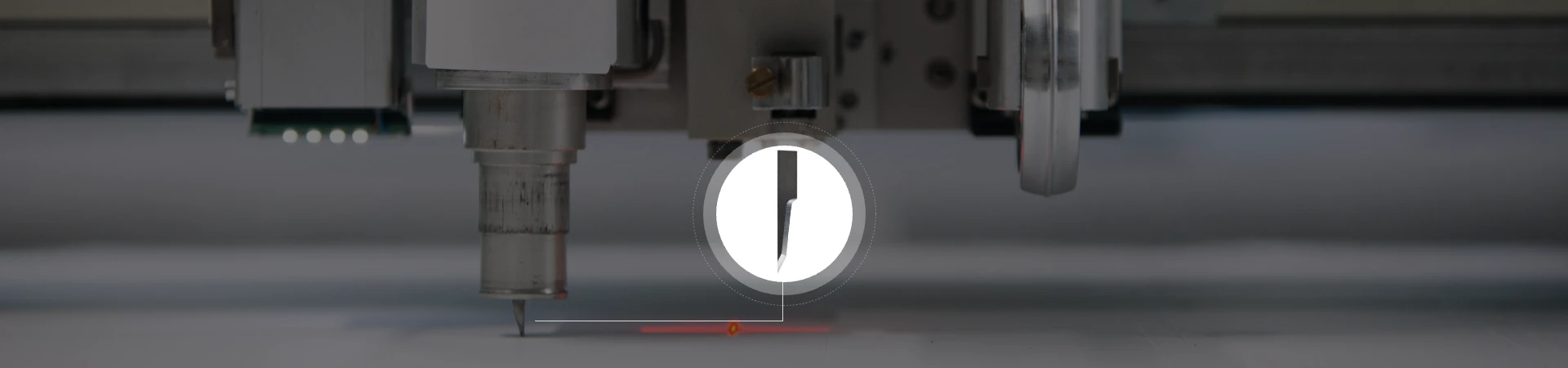
At first glance, the profile of this custom blade resembles a traditional woodworking profiling tool. However, the technical specs tell a different story. While a standard woodworking blade usually ranges from 2mm to 4mm in thickness, this project demanded a massive 8.3mm.
Why the "Extra" Thickness?
In high-speed machining of Advanced Composites (CFRP/GFRP) or Heavy Metal Busbars, vibration is the enemy of precision. The 8.3mm mass acts as a vibration dampener, ensuring the 3° and 5° relief angles maintain a perfect finish without the "chatter marks" common in thinner blades.
2. The Material Edge: YG8 Sub-Micron Carbide
We didn't just make it thick; we made it tough.
- Impact Resistance: With a bending strength (TRS) of 3500N/mm², the blade handles high-impact transitions without shattering—a common risk with standard carbide in heavy-duty profiling.
- The Sub-Micron Secret: The YG8 grade provides a "tighter" molecular structure. This means the cutting edge stays sharper for longer, even when facing the abrasive "sandpaper effect" of fiber-reinforced plastics.
3. Technical Snapshot
Feature | Specification | Why it Matters |
|---|---|---|
Material | YG8 Sub-Micron Carbide | Maximum wear resistance against abrasives. |
Thickness | 8.3mm | Eliminated vibration for superior surface finish. |
Geometry | Multi-step Profile | Single-pass efficiency for complex shapes. |
