Why Does Lithium Battery Production Demand Micron-Level Precision in Cutting Knives?
summary:In the global shift from fossil fuels to electrification, the lithium-ion battery is the new "beating heart" of modern industry. From BYD and CATL to LG, Samsung, and Panasonic, the race for higher energy density and faster charging is on. However, behind the impressive specs of an Electric Vehicle (EV) lies a microscopic challenge: the precision of the electrode cut. At OTMAS, we provide the critical tools for this process: TCT Lithium Battery Electrode Cross-Cutting Knives and Slitting Circular Knives.
In the global shift from fossil fuels to electrification, the lithium-ion battery is the new "beating heart" of modern industry. From BYD and CATL to LG, Samsung, and Panasonic, the race for higher energy density and faster charging is on.
However, behind the impressive specs of an Electric Vehicle (EV) lies a microscopic challenge: the precision of the electrode cut. At OTMAS, we provide the critical tools for this process: TCT Lithium Battery Electrode Cross-Cutting Knives and Slitting Circular Knives.
1. The Critical Role of Electrode Cutting
The production of a lithium battery begins with coating active materials onto copper or aluminum foils (the electrodes). Once coated, these large rolls must be slit into specific widths and cut to length.
This is where our tools come in:
Lithium Battery Electrode Slitting Circular Knives: These high-purity Tungsten Carbide blades work in pairs, using a high-precision shearing action to slit the foil.
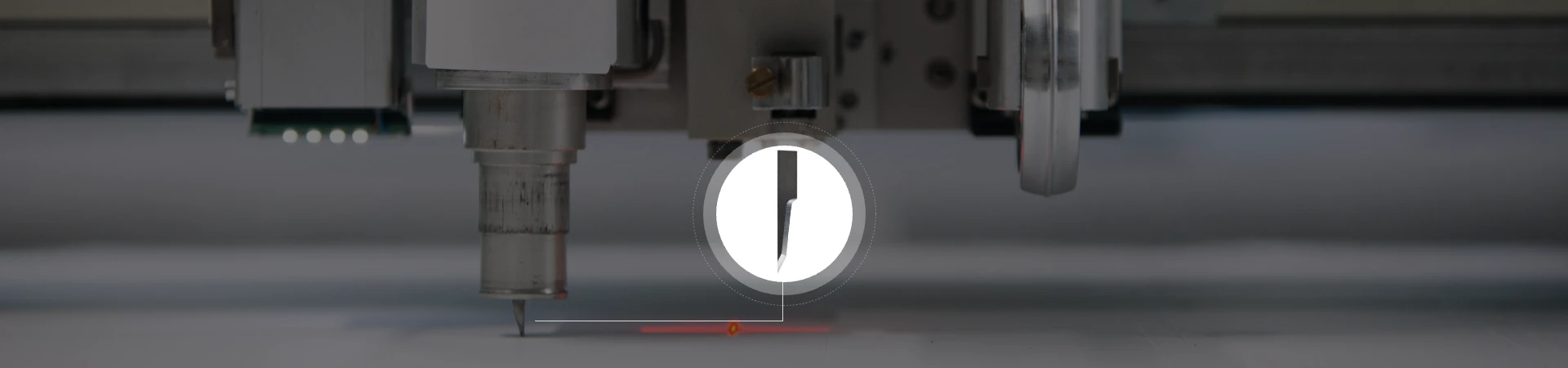
TCT Cross-Cutting Knives: These are used to "chop" the electrode at the end of the winding or stacking process, requiring extreme toughness and edge retention.
2. Micro-Burrs: The Invisible Enemy
Why is the industry so obsessed with precision? It comes down to Safety and Thermal Management.
The electrode is separated by an incredibly thin film called the separator. Its job is to allow ions to flow while keeping the positive and negative sides from touching.
The Danger: If a cutting knife is not sharp enough or has a microscopic nick, it creates burrs (tiny metal spikes) or uneven edges on the electrode.
The Consequence: These burrs can pierce the separator over time. When the positive and negative ions meet directly, it triggers a Thermal Runaway—a rapid, uncontrollable fire that burns until the energy is exhausted.
This is why the world’s leading battery manufacturers operate in constant-temperature, dust-free "clean rooms." In such an environment, your cutting tools must be flawless.
3. Engineering for the Extremes
Our knives are manufactured with a mirror-surface finish. Any scratch or imperfection on the blade can lead to dust accumulation or uneven stress during cutting.
While common batteries like Lithium Iron Phosphate (LFP) are more chemically stable than NCM (Nickel Cobalt Manganese), they are physically harder on tools. The abrasive nature of LFP coatings means your knives must have superior red-hardness and wear resistance to maintain a clean edge over miles of material.
4. Our Commitment to Precision
The battery industry moves at a "micron-level" pace. We have seen requirements for run-out and edge precision as tight as ±0.001mm. This level of accuracy is what separates a world-class battery from a safety hazard.
At OTMAS, we approach battery knife manufacturing with deep respect for the science of energy. We don't just sell blades; we provide the precision needed to keep the future of transportation safe.


Hot News